
Cool-season lawns
Grow fastest in spring and fall. Common across the North, Midwest and Northeast.
Lawn care, region by region
Clear, research-backed guides on weeds, feeding, seeding, mowing and mulch, written for US homeowners and matched to the grass you grow and the climate you live in.
Know your lawn
Cool-season and warm-season grasses grow at opposite times of year, so they need fertilizer, seed and weed control on different schedules. In the transition zone you may have both.
Grow fastest in spring and fall. Common across the North, Midwest and Northeast.

Grow through the heat of summer and go dormant in winter. Common across the South.

Picks for low sun, dry summers and yards where ordinary grass struggles.
Fix a problem
Pick what you're seeing. Each guide covers how to identify it, why it happens and how to get rid of it for your grass type.
Broadleaf weeds, grassy weeds and sedges.
Brown, black or rusty patches and fungus.
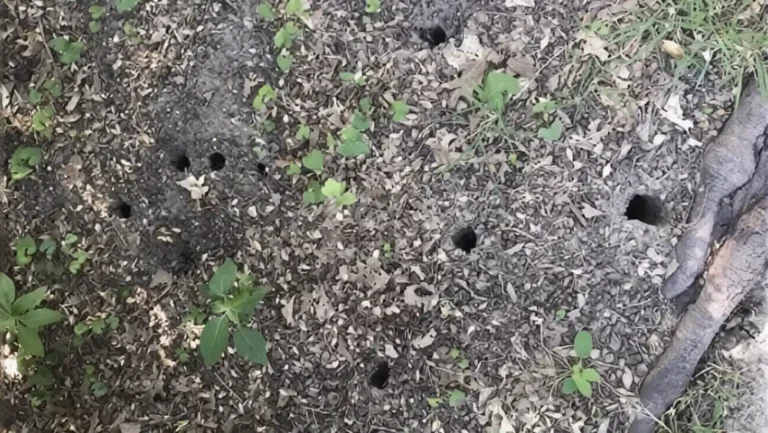
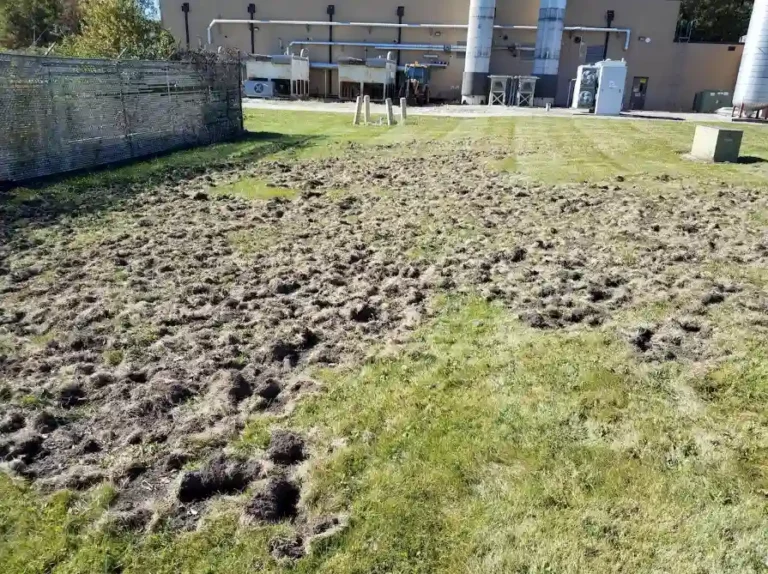
Grubs, worms, insects and animals tearing up turf.
Lawn care calendar
The right job at the right time does more than any product. Start with the full lawn maintenance checklist, then go season by season.
Wake-up, weed prevention and first feeding.
Heat, drought stress and insects.
The most important season for cool-season lawns.
Dormancy, winter weeds and planning ahead.
Reader favorites
The guides homeowners find most useful right now.
Mulch guides
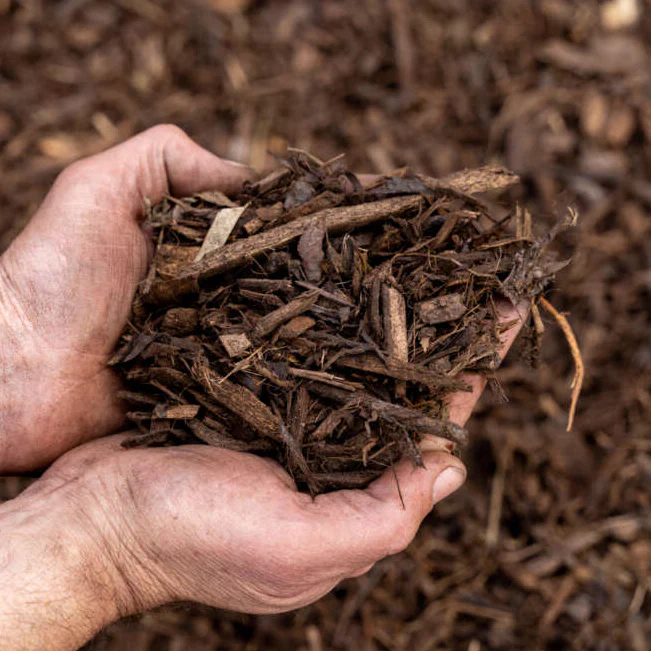
Which mulch to use, how much to buy, how deep to spread it and when to replace it, plus fixes for mold, bugs and termites.
Cubic yards and bags for any bed, using standard US measurements.
Calculate my mulch → Free toolMap your yard and estimate grass seed, fertilizer and mulch in one go.
Measure my yard →Browse by topic

Penn State Turfgrass Management graduate and holder of the Ohio Turfgrass Foundation's BEST Certificate.
About GenLawn →Why trust GenLawn
Fresh from the journal
Quick answers
Short answers here. Each one links to the full guide.